
Vijaya Ekadashi 2026
Friday, 13 February 2026 · Krishna Paksha, Ekadashi tithi — Grants victory over obstacles and foes.
Vrat & Parana timing
Ekadashi is fasted through the tithi and broken the next morning on Dwadashi within the parana window. The times below are for New Delhi and indicative — confirm the exact tithi and parana for your city on the Panchang.
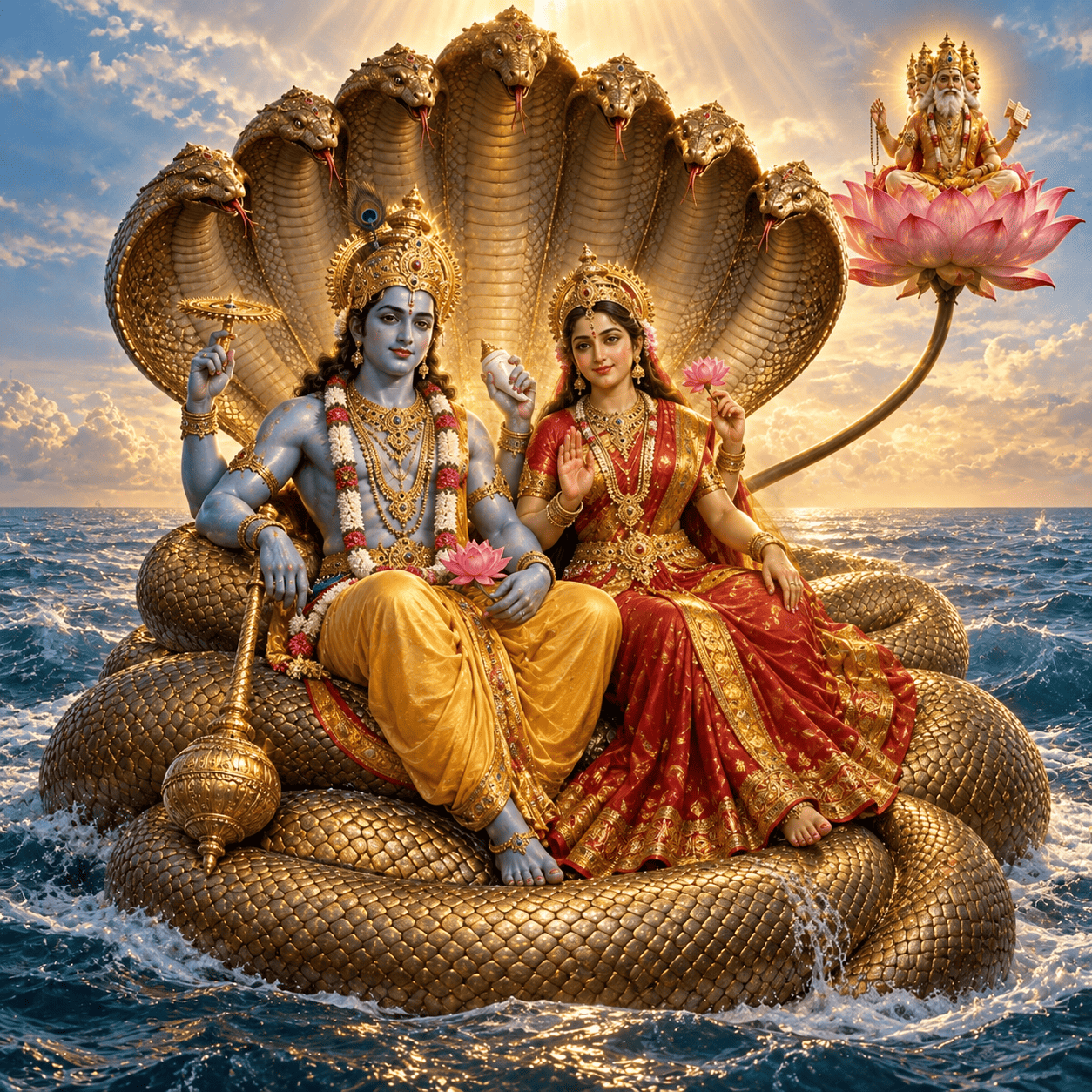
Vijaya Ekadashi
Friday, 13 February 2026
Times are for New Delhi and shift with your location. Check the day's Panchang for your city.
How the vrat is kept
A simple four-step observance, from the dawn sankalp to breaking the fast on Dwadashi.
Rise before dawn, bathe, and vow (sankalp) to keep the fast with a steady, pure mind.
Worship Lord Vishnu with tulsi, flowers, incense and a ghee lamp; offer fruit and panchamrit.
Set aside grains and pulses. Pass the day in chanting, katha and charity, and hold the night vigil.
Break the fast on Dwadashi morning within the prescribed window, after feeding the needy.
The vrat is completed only when it is broken correctly: on Dwadashi tithi, within the parana window and after Ekadashi has ended. In 2026 the parana for Vijaya Ekadashi falls the morning after Friday, 13 February 2026, in New Delhi.
Vijay Ekadashi is one of the auspicious days in the Hindu calendar. Lord Rama got clarity by observing a fast on this day and by praying to Lord Vishnu. The same applies to every devotee. When performed with deep dedication, rituals, and an immense love for the divine, it not only helps one to win inner challenges but also can flip the entire script or the destiny of an individual. Now, as you have clarity on how powerful this day is, know the exact timings and day when it falls in 2026, how to observe fast, and its significance.
Vijay Ekadashi 2026 Date and Timings
Vijay Ekadashi is one of the days when one can easily overcome inner battles. It is important to have an idea of the exact timings at which one should break the fast. Refer to the table below for the specific time duration.
|
Date |
Parana Timings |
|
February 14, 2026 |
7:00 A.M to 9:14 A.M |
Vijay Ekadashi Fasting
As the day is highly auspicious, it is vital to follow the proper rituals while fasting or offering prayers to achieve mental clarity and invoke the blessings of the divine. So, one must have an idea of the proper way.
Dashami (A Day Before)
- Eat satvic meals such as fruits, dry fruits, curd, milk, sabutdana, or samak rice,
- Finish the meal, usually around 7-8 P.M., for proper digestion and elevated energy
Vijay Ekadashi (On the Day of Fasting)
- Wake up early in the morning, offer water to the sun, and take a sankalp to observe the fast
- Only consume dry fruits or fruits one time, if the fast is not nirjala (without water)
- Do the routine work by avoiding sleeping during the day
- Chant the mantra “Om Namo Bhagavate Vasudevaya,” do aarti, and light a mustard lamp
- Break the fast in the evening by consuming light and satvic meals
Dwadashi (Day After the Fasting)
- Break the fast after sunrise and chant mantras or offer prayers
- Consume fruit or tulsi water while concluding the fast
- Offer or donate food or clothes to a Brahmin or someone in need
Vijaya Ekadashi Significance
Vijay Ekadashi holds great significance in the Hindu calendar. From helping one to control their emotions to dissolving the past and present karma, there are many benefits to fasting.
Karmic Cleansing: Fasting with all the rituals is said to cleanse sins, past and present.
Spiritual Liberation: This day brings spiritual liberation or moksha to those who devote themselves to the divine.
Victory Over Obstacles: As the day signifies the victory of good over evil, spiritual dedication helps one overcome human emotions such as jealousy, anger, and fear.
FAQs
Ans. The significance of Vijay Ekadashi is enormous in the Hindu calendar, as the Lord Rama himself observed this fast. In search of Mata Sita, when there were no means to cross the ocean to Lanka, the fast provided Lord Rama with clarity, which later led to the construction of the Ram Setu bridge.
Ans. The story of Vijay Ekadashi 2026 is about observing a fast to overcome self-doubt and navigate life's hurdles with mental clarity.
Ans. Vijaya, as the name denotes, signifies “win.” It is a special and auspicious day, as following all the rituals helps one overcome struggles and dissolve past misdeeds.
Ans. On Vijaya Ekadashi, Lord Rama observed a fast dedicated to Lord Vishnu when there was no clarity on how to cross the ocean to reach Lanka to retrieve Mata Sita. With pure dedication and devotion, Lord Rama got a way and, along with his army, built the Ram Setu bridge and later defeated Ravana.
Ans. Observe Vijaya Ekadashi fast by eating a satvic meal by 7 on Dashami. On the day of Ekdashi, chant mantras and consume food once in the evening by lighting a mustard lamp and doing aarti.